Efficient bulk material handling is essential for industries such as mining, metallurgy, power generation, ports, cement production, and steel manufacturing. Among the many types of material handling equipment available today, the cantilever stacker has become a preferred solution for companies seeking reliable, continuous, and high-capacity stockyard operations. Its ability to efficiently stack large volumes of bulk materials while optimizing storage space makes it a valuable asset in modern industrial facilities.
This guide explores the benefits, working principles, applications, and key considerations of cantilever stackers, helping businesses understand why they play a critical role in industrial material handling systems.
What Is a Cantilever Stacker?
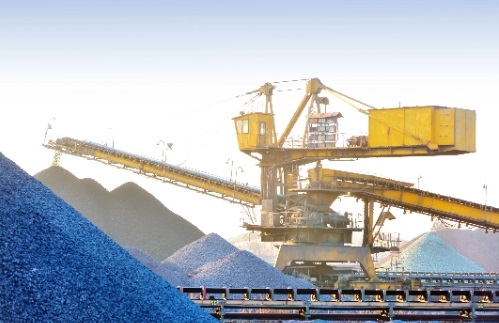
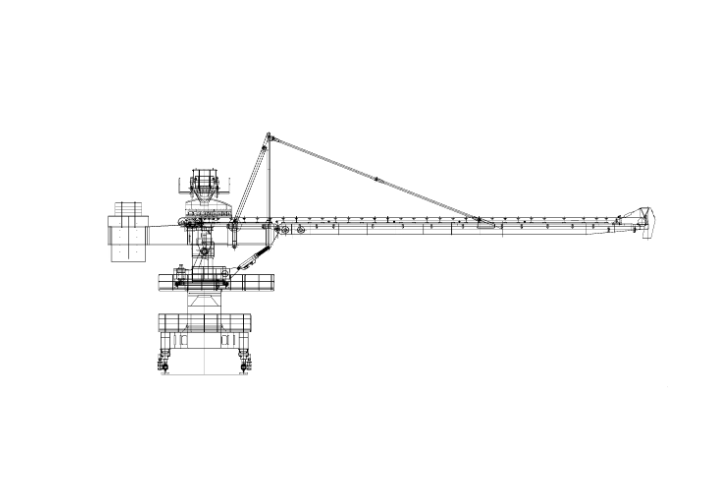
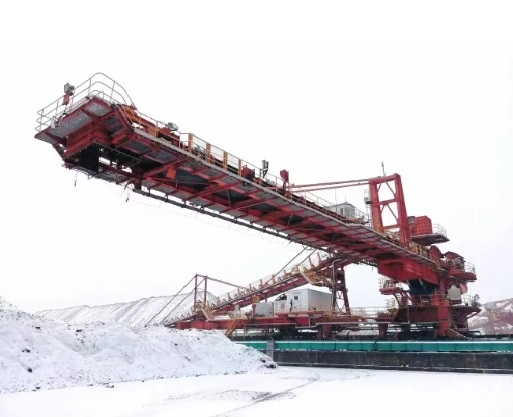
A cantilever stacker is a bulk material handling machine designed to receive materials from a conveyor system and stack them in stockyards or storage areas. It typically consists of a long cantilever boom equipped with a conveyor belt that distributes materials across designated stockpiles.
The machine operates by rotating, luffing, and traveling along rails, enabling efficient material placement and maximizing storage capacity within a limited area. Cantilever stackers are commonly integrated into large-scale conveying systems and are often used alongside reclaimers to create complete stockyard management solutions.
How Does a Cantilever Stacker Work?
The operating process of a cantilever stacker is relatively straightforward but highly efficient:
- Bulk materials are transported through conveyor belts.
- Materials are transferred onto the stacker's boom conveyor.
- The cantilever boom distributes materials to designated stockpile locations.
- The machine moves longitudinally and rotates as required to form uniform stockpiles.
- Automated control systems monitor stacking patterns and operational parameters.
Advanced stackers may incorporate intelligent automation systems, allowing operators to control stacking accuracy, stockpile shape, and material distribution remotely.
Major Benefits of Cantilever Stackers
High Material Handling Capacity
Cantilever stackers are engineered to handle large volumes of bulk materials continuously. Depending on the project requirements, handling capacities can range from several hundred to several thousand tons per hour.
This makes them ideal for high-output industries where uninterrupted material flow is critical to production efficiency.
Improved Stockyard Utilization
One of the primary advantages of cantilever stackers is their ability to maximize storage space.
Through controlled boom movement and precise stacking patterns, the equipment can create:
- Chevron stockpiles
- Cone shell stockpiles
- Windrow stockpiles
- Layered stockpiles
These stacking methods optimize stockyard capacity while improving material blending performance.
Reduced Labor Requirements
Modern cantilever stackers are highly automated. Operators can manage equipment functions through centralized control systems, reducing the need for manual material handling and lowering labor costs.
Automation also minimizes operational errors and enhances workplace safety.
Enhanced Material Homogenization
In industries such as cement and metallurgy, material consistency directly impacts product quality.
Cantilever stackers can create layered stockpiles that facilitate blending and homogenization. This ensures more consistent raw material composition before downstream processing.
Continuous and Reliable Operation
Industrial operations often run around the clock. Cantilever stackers are designed for long-term continuous service under demanding conditions.
Their robust structural design, heavy-duty components, and advanced control systems contribute to high equipment availability and operational reliability.
Lower Operating Costs
Compared with traditional loading and stockpiling methods, cantilever stackers offer:
- Reduced fuel consumption
- Lower labor expenses
- Decreased equipment wear
- Improved material management
These advantages help reduce overall operating costs throughout the equipment lifecycle.
Key Components of a Cantilever Stacker
Understanding the major components helps operators and project planners evaluate equipment performance.
Boom Structure
The cantilever boom supports the conveyor system and determines stacking reach and capacity.
Conveyor System
The conveyor transports bulk materials from the incoming feed point to the discharge location.
Slewing Mechanism
The slewing system enables the stacker to rotate horizontally, allowing flexible stockpile formation.
Traveling Mechanism
Rail-mounted travel systems move the stacker along the stockyard to cover larger storage areas.
Luffing System
The luffing mechanism adjusts the boom angle to control stockpile height and shape.
Electrical and Control System
Modern stackers use PLC-based control systems, sensors, and automation technologies for efficient operation and monitoring.
Common Applications of Cantilever Stackers
Mining Industry
Mining operations generate enormous quantities of raw materials requiring efficient stockpiling solutions.
Cantilever stackers are widely used for handling:
- Iron ore
- Copper ore
- Coal
- Bauxite
- Limestone
Their high throughput capabilities support continuous mining and processing operations.
Metallurgical Industry
Steel and metallurgical plants rely heavily on bulk material storage and blending.
Cantilever stackers are commonly used for:
- Iron ore stacking
- Sinter raw material preparation
- Coke storage
- Flux material handling
As a company specializing in bulk material conveying equipment and high-end metallurgical equipment, Jiangyin Dadi Equipment Co., Ltd. provides advanced material handling solutions that support the demanding operational requirements of modern metallurgical facilities. With extensive experience in engineering design, manufacturing, and project implementation, the company delivers customized solutions for steel plants, ironmaking facilities, and industrial material handling systems worldwide.
Power Generation
Coal-fired power plants require large stockyards to maintain fuel supply.
Cantilever stackers efficiently manage coal storage while ensuring continuous fuel availability for power generation systems.
Cement Manufacturing
Cement plants use cantilever stackers to handle:
- Limestone
- Clay
- Gypsum
- Alternative fuels
Proper stacking and blending improve raw meal consistency and production efficiency.
Port Terminals
Bulk cargo terminals frequently handle imported and exported materials such as coal, ore, fertilizers, and aggregates.
Cantilever stackers enable rapid vessel unloading and stockyard management while reducing material handling bottlenecks.
Chemical and Fertilizer Industry
Many chemical plants require safe and organized storage of bulk raw materials.
Cantilever stackers provide reliable stockpiling solutions for:
- Phosphate rock
- Sulfur
- Fertilizer products
- Industrial minerals
Types of Cantilever Stackers
Fixed Cantilever Stacker
Suitable for smaller storage facilities where stockyard coverage requirements are limited.
Rail-Mounted Cantilever Stacker
Provides greater flexibility by traveling along rails to serve larger stockyards.
Automated Cantilever Stacker
Equipped with advanced control systems, automated stackers can optimize material placement, improve efficiency, and reduce manual intervention.
Combined Stacker-Reclaimer Systems
These integrated systems perform both stacking and reclaiming functions, improving stockyard efficiency and reducing equipment investment.
Factors to Consider When Selecting a Cantilever Stacker
Choosing the right cantilever stacker requires careful evaluation of operational requirements.
Material Characteristics
Consider:
- Bulk density
- Particle size
- Moisture content
- Abrasiveness
- Flow properties
Capacity Requirements
Equipment should match current production demands while allowing room for future expansion.
Stockyard Layout
Available land area, storage capacity requirements, and material flow patterns influence equipment configuration.
Environmental Conditions
Factors such as temperature, wind speed, dust levels, and corrosion risks should be considered during equipment design.
Automation Requirements
Modern facilities often benefit from intelligent control systems that improve efficiency and reduce manual intervention.
Why Quality Equipment Matters
Bulk material handling systems often represent a significant long-term investment. Equipment quality directly affects operational efficiency, maintenance costs, and service life.
Manufacturers with extensive experience in material conveying and metallurgical equipment can provide customized solutions tailored to specific industrial applications.
Jiangyin Dadi Equipment Co., Ltd. has established itself as a professional private enterprise focusing on bulk material conveying equipment and high-end metallurgical equipment. The company offers a comprehensive range of solutions including stackers, reclaimers, belt conveyor systems, ship loaders, ship unloaders, and metallurgical machinery. Through engineering expertise, advanced manufacturing capabilities, and strict quality control standards, Jiangyin Dadi Equipment Co., Ltd. helps customers improve operational efficiency and optimize bulk material handling processes.
Maintenance Best Practices for Cantilever Stackers
Proper maintenance helps maximize equipment performance and lifespan.
Recommended practices include:
- Regular inspection of conveyor belts
- Lubrication of moving components
- Structural integrity assessments
- Electrical system inspections
- Monitoring of bearings and drive systems
- Calibration of automation controls
Preventive maintenance programs can significantly reduce downtime and unexpected repair costs.
Frequently Asked Questions
What materials can a cantilever stacker handle?
Cantilever stackers can handle a wide range of bulk materials, including coal, iron ore, limestone, clinker, aggregates, fertilizers, and industrial minerals.
What is the difference between a stacker and a stacker-reclaimer?
A stacker is designed solely for material stacking, while a stacker-reclaimer combines stacking and reclaiming functions within a single machine.
Are cantilever stackers suitable for automated operations?
Yes. Modern cantilever stackers often feature PLC control systems, remote monitoring, and intelligent automation technologies for fully automated stockyard management.
How long does a cantilever stacker typically last?
With proper maintenance, industrial cantilever stackers can operate reliably for 20 years or more, depending on operating conditions and equipment quality.
Which industries benefit most from cantilever stackers?
Mining, metallurgy, power generation, cement manufacturing, ports, and chemical processing industries are among the primary users of cantilever stackers.
Can cantilever stackers be customized?
Yes. Leading manufacturers such as Jiangyin Dadi Equipment Co., Ltd. can customize cantilever stackers based on material characteristics, handling capacity, stockyard dimensions, environmental conditions, and automation requirements to meet specific project needs.
Conclusion
Cantilever stackers are essential components of modern bulk material handling systems. Their ability to efficiently stack large volumes of material, improve stockyard utilization, reduce labor costs, and support continuous operations makes them indispensable across numerous industries. Whether used in mining operations, steel plants, power stations, cement factories, or port terminals, these machines deliver significant operational and economic advantages.
For companies seeking dependable bulk material conveying and stockyard solutions, partnering with an experienced manufacturer such as Jiangyin Dadi Equipment Co., Ltd. can help ensure reliable equipment performance, optimized material handling processes, and long-term operational success. With a strong focus on bulk material conveying equipment and high-end metallurgical machinery, the company continues to provide customized solutions that meet the evolving needs of industrial customers worldwide.