Efficient stockyard management is essential to maintaining a steady flow of iron ore and mineral materials to steel plants, mines, and bulk handling terminals. Bucket wheel stacker reclaimer systems combine stockpile formation and material recovery in an integrated operation, helping facilities coordinate storage capacity, reclaiming output, and downstream material supply.
How Bucket Wheel Stacker Reclaimers Support Iron Ore and Mineral Handling
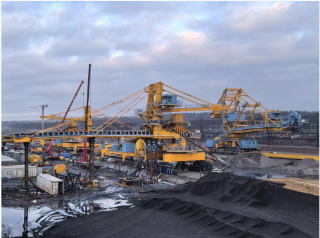
A bucket wheel stacker reclaimer is designed to handle bulk materials through coordinated stacking and reclaiming operations. Depending on its configuration, the machine receives material from a conveyor system, distributes it across a designated stockpile, and later recovers the stored material for transfer to the next processing stage.
For iron ore stockyards, this equipment can handle materials such as iron ore fines, lump ore, pellets, and other compatible bulk feedstocks. In mineral processing and logistics facilities, the system can also be configured for selected mineral concentrates, coal, fluxes, and similar materials according to their physical properties and handling requirements.
The value of this equipment lies in the integration of material storage and recovery. Instead of treating the stockpile as a passive storage area, the stockyard can operate as a coordinated part of the production and transportation system. Stacking patterns, reclaiming sequences, conveyor capacities, and machine travel movements are planned together to support consistent material flow.
The appropriate solution depends on the material being handled, the required throughput, stockpile dimensions, site layout, and the operating strategy of the facility. These factors determine the machine configuration and its integration with the wider bulk material handling system.
Engineering Considerations for Iron Ore Stockyard Applications
Material Characteristics and Bucket Wheel Configuration
Iron ore and other minerals vary considerably in bulk density, particle size, moisture content, abrasiveness, and flow behavior. These properties influence bucket filling, discharge efficiency, wear rates, and the mechanical loads applied to the equipment.
Iron ore fines may behave differently from coarse lump ore, while wet or sticky materials can affect discharge and material buildup around transfer points. A suitable bucket wheel reclaimer design should account for these characteristics when determining bucket geometry, wheel drive capacity, chute arrangements, and wear protection.
Material testing and operating data can help establish realistic design parameters. The objective is to match the equipment to the actual material rather than relying exclusively on nominal throughput figures.
Reclaiming Capacity and Continuous Material Supply
Reclaiming capacity determines how much material the machine can deliver to downstream conveyors within a specified operating period. For iron ore stockyards serving sintering plants, pelletizing facilities, beneficiation plants, or steelworks, this capacity must correspond to the receiving process and the overall production schedule.
A machine with insufficient reclaiming capacity can restrict material supply, while an excessively large configuration may introduce unnecessary investment and operating costs. Capacity selection should therefore consider peak demand, stockpile availability, conveyor limits, and the expected operating cycle.
The bucket wheel drive, travel mechanism, conveyor interface, and control system must work as a coordinated unit. Properly matched components help maintain a predictable discharge rate and support efficient use of the entire stockyard.
Stockpile Geometry and Site Layout
Stockyard design affects both storage efficiency and equipment coverage. Rail gauge, stockpile width, boom reach, travel distance, stacking height, and conveyor alignment determine how effectively the machine can serve the available storage area.
For a new iron ore terminal, these parameters can be coordinated during the initial engineering stage. For an existing mine or steel plant, the equipment may need to fit established foundations, rail systems, transfer points, and conveyor routes. Customized dimensions and operating ranges help accommodate these different project conditions.
Stockpile arrangement should also reflect the intended material management strategy. Where several grades or mineral types are stored in the same yard, the layout and reclaiming sequence must support the required material segregation and prevent unintended mixing.
Wear Resistance and Structural Reliability
Iron ore handling places substantial demands on equipment because of the material's density and abrasive characteristics. Repeated contact between ore and the bucket wheel, chutes, transfer points, and other material-contact components can cause progressive wear.
Appropriate structural steel selection, replaceable wear liners, suitable bucket materials, and accessible inspection points are important elements of equipment engineering. Drive assemblies, bearings, gearboxes, and travel mechanisms also require specifications that reflect the expected loads and duty cycle.
Routine inspection and planned maintenance help identify wear or mechanical deterioration before it affects normal operations. A design that allows convenient access to critical components can simplify servicing and improve the maintainability of the stockyard system.
Improving Stockyard Performance Through Integrated System Design
Coordinating Stacking and Reclaiming Operations
Stockyard performance depends on how stacking and reclaiming are organized across the available storage area. Stacking establishes the stockpile's geometry and material distribution, while reclaiming determines how the stored material is recovered and delivered.
For facilities handling different iron ore grades, a planned stacking and reclaiming sequence can support material segregation, controlled blending, and orderly stockpile turnover. Where homogenization is required, the stacking pattern and reclaiming method should be selected according to the variation in material quality and the desired consistency of the reclaimed stream.
This coordination is particularly relevant to steel plants and mineral processing facilities that rely on predictable feed characteristics. The machine's operating strategy should align with the plant's material management procedures rather than being designed around equipment movement alone.
Automation and Operational Control
Modern bucket wheel stacker reclaimers can incorporate programmable logic controllers (PLCs), position monitoring, travel limits, drive protection, and coordinated conveyor interlocks. Depending on project requirements, additional automation can support automatic positioning, repeatable stacking patterns, and controlled reclaiming sequences.
These functions help operators manage machine movements and coordinate equipment with upstream and downstream systems. Remote monitoring and automated operating modes can also reduce the need for routine manual intervention when the complete system has been designed and validated for the intended operating conditions.
The appropriate automation level depends on the stockyard's complexity, safety requirements, existing control infrastructure, and expected operating practices. Reliable control logic and clearly defined operating procedures remain essential, regardless of the level of automation.
Integration With Conveyors and Plant Infrastructure
A stacker reclaimer should be engineered as part of a complete material handling arrangement. Incoming conveyors, discharge conveyors, transfer chutes, electrical power supply, control networks, and site access all affect the machine's operating performance.
Conveyor capacity must be compatible with the expected stacking and reclaiming rates, while transfer points should accommodate the material's flow characteristics. Electrical and control interfaces also need to be coordinated so that the equipment operates in the correct sequence with the wider system.
Considering these interfaces during the design stage helps establish a more coherent stockyard arrangement and reduces the need for avoidable modifications during installation and commissioning.
Choosing the Right Stacker Reclaimer for Different Mineral Stockyards
Not every stockyard requires the same equipment arrangement. An iron ore export terminal may prioritize high-volume reclaiming and coordination with ship-loading conveyors, while a steel plant may require controlled delivery of several raw materials to its preparation systems. A mineral processing facility, meanwhile, may need equipment configured around specific material grades, storage zones, and production sequences.
The selection process should begin with the operating requirements of the site. Key parameters include the material's bulk density and abrasiveness, required stacking and reclaiming capacities, stockpile dimensions, rail span, machine travel distance, and available installation space. Electrical configuration, maintenance access, automation requirements, and the compatibility of existing conveyors should also be evaluated.
A bucket wheel stacker reclaimer is suitable when its operating arrangement matches the stockyard's storage and reclaiming requirements. Other equipment, such as a cantilever stacker or a scraper reclaimer, may be appropriate for particular layouts or material recovery methods. Evaluating the complete handling process helps establish the most suitable equipment configuration for the application.
Jiangyin Dadi Equipment Co., Ltd.: Bulk Material Handling Equipment Expertise
Jiangyin Dadi Equipment Co., Ltd. is a Chinese industrial equipment manufacturer established in 2001, specializing in bulk material conveying equipment and high-end metallurgical equipment. The company operates standardized manufacturing workshops and has developed engineering capabilities covering material yard equipment, mechanical systems, and associated electrical and control solutions.
Its bulk material handling product portfolio includes bucket wheel stacker reclaimers, semi-portal scraper reclaimers, portal scraper reclaimers, bridge-type scraper reclaimers, cantilever stackers, and tripper carriages. These equipment categories serve different stockyard configurations and material handling requirements across industries such as metallurgy, mining, cement production, and port operations.
For iron ore and mineral stockyard projects, Jiangyin Dadi Equipment Co., Ltd. provides project consultation, customized equipment design and manufacturing, installation, commissioning, operator training, maintenance support, and equipment improvement services. This combination of engineering and manufacturing capabilities supports the development of equipment configurations based on individual project specifications.
The company's approach emphasizes matching machine design to practical operating conditions, including stockyard geometry, handling capacity, material properties, and control requirements. Coordination between mechanical equipment and supporting systems is an important part of developing an integrated stockyard solution.
When evaluating a project, customers should confirm the required performance parameters, applicable material conditions, scope of supply, and commissioning requirements with the engineering team. This helps establish a clear technical basis for equipment selection and system integration.
Conclusion
Bucket wheel stacker reclaimer solutions play an important role in organizing iron ore and mineral stockyards. By integrating stacking, storage, and reclaiming operations, these machines help coordinate bulk material movement between receiving systems, stockpiles, and downstream production or transportation facilities.
Reliable performance depends on more than nominal handling capacity. Material characteristics, bucket wheel configuration, stockpile geometry, wear protection, automation, and conveyor integration must all be considered as part of the overall engineering design.
Jiangyin Dadi Equipment Co., Ltd. combines bulk material handling equipment manufacturing with customized engineering, installation, commissioning, and technical support. For iron ore terminals, steel plants, and mineral processing facilities, a project-specific equipment solution provides a practical foundation for aligning stockyard operations with material flow requirements and production objectives.